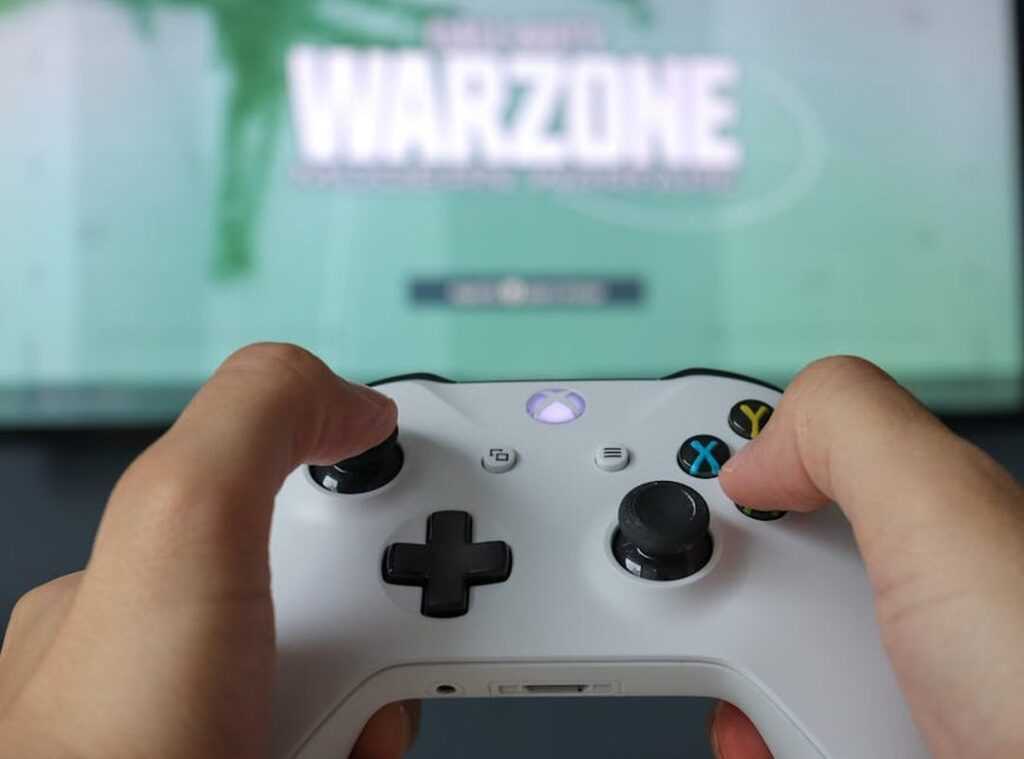

The gaming industry moves fast—new titles drop weekly, esports storylines evolve overnight, and multiplayer mechanics shift with every major update. If you’re here, you’re likely looking to cut through the noise and understand what actually matters: which trends are shaping gameplay, how competitive dynamics are evolving, and where emerging gaming technologies are changing the experience for players at every level.
This article breaks down the current buzz across the game industry, from core gameplay fundamentals to high-level esports strategies and the mechanics that power today’s most engaging multiplayer systems. We’ll also explore how controller optimization and performance tuning can directly impact competitive results.
Our insights are grounded in ongoing analysis of industry developments, competitive play patterns, and technical performance standards. The goal is simple: give you clear, practical understanding of where gaming stands today—and where it’s heading next—so you can play smarter and stay ahead.
Play Is Changing
Beyond sharper textures, the real shift is in how games feel and respond. AI-driven NPCs now adapt to your tactics instead of looping canned lines. To test this, lower the difficulty, try a stealth approach, then switch to chaos and watch reactions change. That’s practical proof of emerging gaming technologies reshaping play.
What To Do Now
PRIORITIZE LOW LATENCY SETTINGS.
•
Update drivers, use wired connections, and calibrate your controller sensitivity monthly. Pro tip: record gameplay and review input delay frame by frame. If it looks instant, it probably is (and you’ll feel the difference). The future isn’t prettier; it’s responsive.
Generative AI: Crafting Dynamic Worlds and Unpredictable Foes
Procedural Content Generation (PCG) 1.0 built random maps. PCG 2.0 builds living worlds. That’s the difference. Previously, developers relied on algorithms that shuffled terrain like a deck of cards—functional, but forgettable. Now, generative AI stitches geography, lore, and questlines together in real time, creating environments that feel authored rather than assembled. In other words, it’s Skyrim’s sense of history with Minecraft’s unpredictability (yes, that’s a high bar).
Scripted enemies vs adaptive AI is another clear A vs B shift. Traditional foes followed predictable loops: patrol, attack, retreat. Learn the pattern once, win forever. Behavioral AI evolution flips that model. Modern systems analyze player habits—aggression frequency, weapon preference, even hesitation—and respond dynamically. The result? Enemies that flank more often if you snipe, or set traps if you rush headfirst. It’s less “boss fight walkthrough,” more chess match.
Consequently, gameplay fundamentals evolve. Static levels demand memorization; dynamic systems demand improvisation. Narrative design also transforms, as AI-driven characters react organically, unlocking branching outcomes. While some argue handcrafted design ensures tighter control, emerging gaming technologies prove responsiveness can deepen immersion rather than dilute it.
Ultimately, dynamic AI doesn’t just raise difficulty. It raises possibility.
The Cloud Revolution: Seamless Gaming and Massive Multiplayer
I still remember booting up a graphically intense RPG on a five-year-old laptop, fully expecting it to melt (or at least wheeze dramatically). Instead, it ran flawlessly through the cloud. That was my first real taste of how cloud gaming breaks hardware barriers. No $2,000 rig. No endless upgrades. Just a stable connection and a screen.
Cloud gaming shifts processing from your device to remote servers. In simple terms, the “heavy lifting” happens elsewhere, and your device streams the result like Netflix—but interactive. Critics argue this removes ownership and compresses visual fidelity. Fair. But for many players, accessibility outweighs those trade-offs.
On the multiplayer side, server-side processing enables:
- Persistent worlds that evolve even when you log off
- Thousands of concurrent players in shared spaces
- Real-time physics and AI at massive scale
It feels less like a lobby and more like a living universe (think Ready Player One, minus the dystopia).
The elephant in the room is latency—input lag between pressing a button and seeing action onscreen. Advances in edge computing, 5G, and predictive input algorithms are shrinking that gap. With emerging gaming technologies, competitive viability is no longer science fiction.
Pro tip: Wired connections still outperform Wi‑Fi for serious sessions.
Next-Generation Immersion: Haptics, Spatial Audio, and Mixed Reality
Advanced Haptic Feedback: Beyond Basic Rumble
Modern haptics go far beyond the old-school controller shake (goodbye, one-size-fits-all vibration). Advanced haptic feedback uses precise motors and adaptive triggers to simulate textures, resistance, and directional impact. Dragging a character through sand can feel gritty; pulling a bowstring can tighten with lifelike tension. In competitive shooters, subtle vibration shifts can even hint at recoil patterns, helping you adjust faster.
If you’re optimizing your setup, look for controllers and peripherals that support layered vibration profiles and trigger resistance customization. Pro tip: fine-tune sensitivity settings in-game before competitive matches to avoid fatigue during long sessions.
The Power of Spatial Audio
Spatial audio (3D positional sound that mimics how we hear in real life) transforms awareness. Instead of “left or right,” you perceive distance, elevation, and movement. Footsteps above you in a stairwell or a reload behind cover become strategically actionable cues. Studies from Dolby and Sony Interactive Entertainment show 3D audio improves player reaction and immersion when properly calibrated.
Some argue high-end audio is optional flair. But in ranked play, pinpoint accuracy can be the difference between clutch and respawn. A well-mixed soundscape isn’t cosmetic; it’s competitive infrastructure.
VR/AR Convergence and Mixed Reality
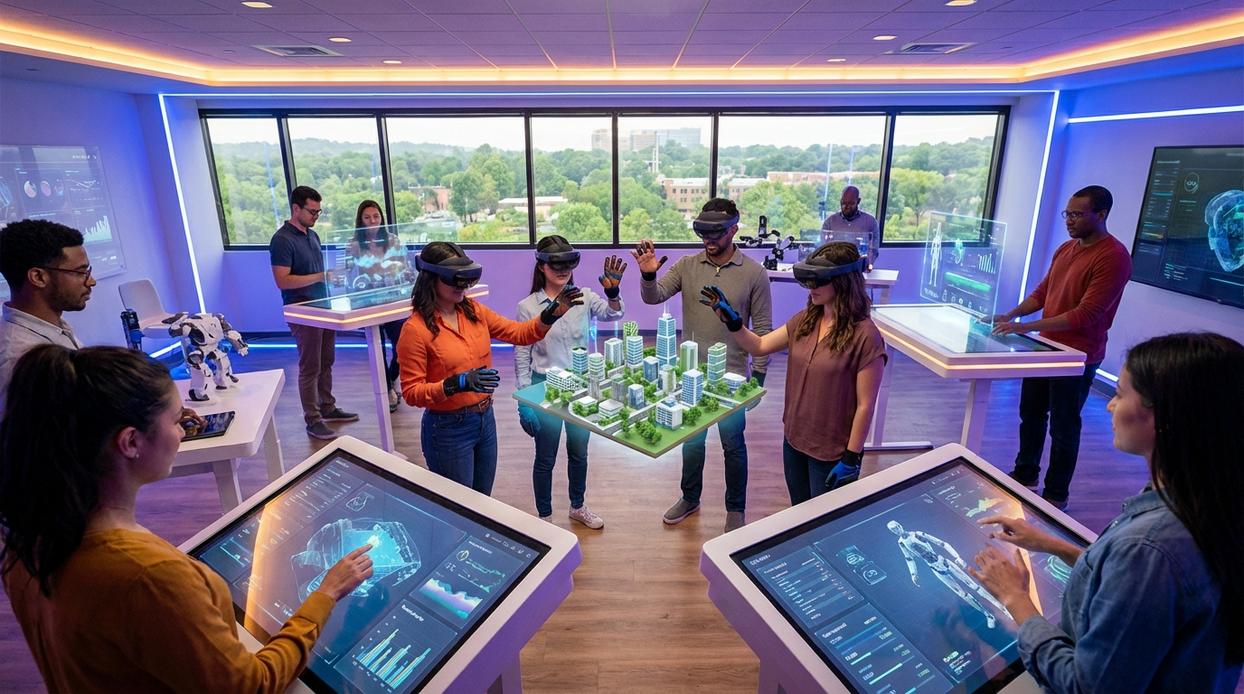
Mixed reality blends physical and digital spaces, overlaying game elements onto your environment. This convergence is central to emerging gaming technologies, redefining interaction models. As explored in top game industry trends shaping competitive play in 2026, competitive ecosystems are adapting fast.
Skeptics say VR/AR remains niche. Yet falling hardware costs and cross-platform development suggest otherwise. The line between your room and the arena is thinning—and that changes how we play.
The Competitive Edge: Technology’s Role in Modern Esports
In professional esports, winning often comes down to milliseconds. Zero latency refers to minimizing delay between a player’s action and the on-screen response. High-refresh-rate displays (240Hz or higher) redraw images more frequently, creating smoother motion. Low-latency input devices reduce input lag—the time between pressing a button and seeing the result. Network optimization, including stable ping and packet routing, ensures data travels quickly between player and server. (Yes, that one split-second stutter can cost a championship.)
Data-driven performance adds another layer. Advanced analytics platforms log every movement, ability use, and reaction time. Coaches analyze heatmaps, damage efficiency, and decision timing to refine tactics. Think of it as game film in traditional sports—just far more granular.
Broadcast innovation is evolving too. AR overlays display live stats mid-match, while real-time biometric data like heart rate deepens viewer insight. Together with emerging gaming technologies, these tools make competitive play clearer, smarter, and more immersive.
The future of play is already here. We’ve explored how AI, cloud infrastructure, and immersive hardware form the backbone of modern gaming. The real shift, though, isn’t teraflops or frame rates; it’s how these systems talk to each other to create smarter enemies, seamless streaming, and haptic feedback that mirrors recoil down to the millisecond. Understanding emerging gaming technologies helps you see why a 100-player lobby feels stable or why adaptive triggers change tension mid-fight. Pay attention next session: the AI’s flanking logic, the controller’s resistance, the cloud’s invisible scaling. That’s interactive evolution in action. Notice the details closely. Today.
Level Up Your Edge in the Modern Gaming Arena
You came here to make sense of the fast-moving shifts in today’s gaming landscape—and now you have a clearer understanding of the trends, mechanics, and competitive dynamics shaping the industry.
From mastering gameplay fundamentals to adapting to evolving multiplayer systems, the pressure to keep up is real. Falling behind on esports shifts or ignoring emerging gaming technologies can mean missed opportunities, weaker performance, and less impact in competitive spaces.
The good news? You don’t have to navigate it alone.
Stay ahead of the curve by consistently refining your mechanics, optimizing your controller setup, and tracking the latest industry developments. If you’re serious about sharpening your competitive edge, dive deeper into expert-backed insights trusted by passionate players and esports followers alike.
Don’t let outdated strategies hold you back. Explore the latest analysis, apply what you’ve learned, and start dominating your next match today.