
The gaming world moves fast—and if you’re trying to keep up with the latest industry buzz, evolving gameplay fundamentals, shifting esports dynamics, and smarter controller optimization strategies, it can feel overwhelming. This article is built to cut through that noise. Whether you’re a competitive player, an aspiring esports enthusiast, or simply someone who wants to understand how multiplayer mechanisms and performance tweaks shape modern titles, you’ll find clear, actionable insights here.
We’ve analyzed current competitive trends, studied multiplayer system designs, and reviewed high-level gameplay strategies to ensure the information you’re reading reflects what’s actually happening in today’s gaming landscape. From mechanical mastery to the audience impact on esports, we connect the technical side of play with the broader forces shaping competitive gaming.
By the end, you’ll have a sharper understanding of how games are built, how they’re played at the highest level, and how to optimize your own experience—whether on stage, online, or at home.
More Than Just a Game: The Fan-Powered Esports Engine
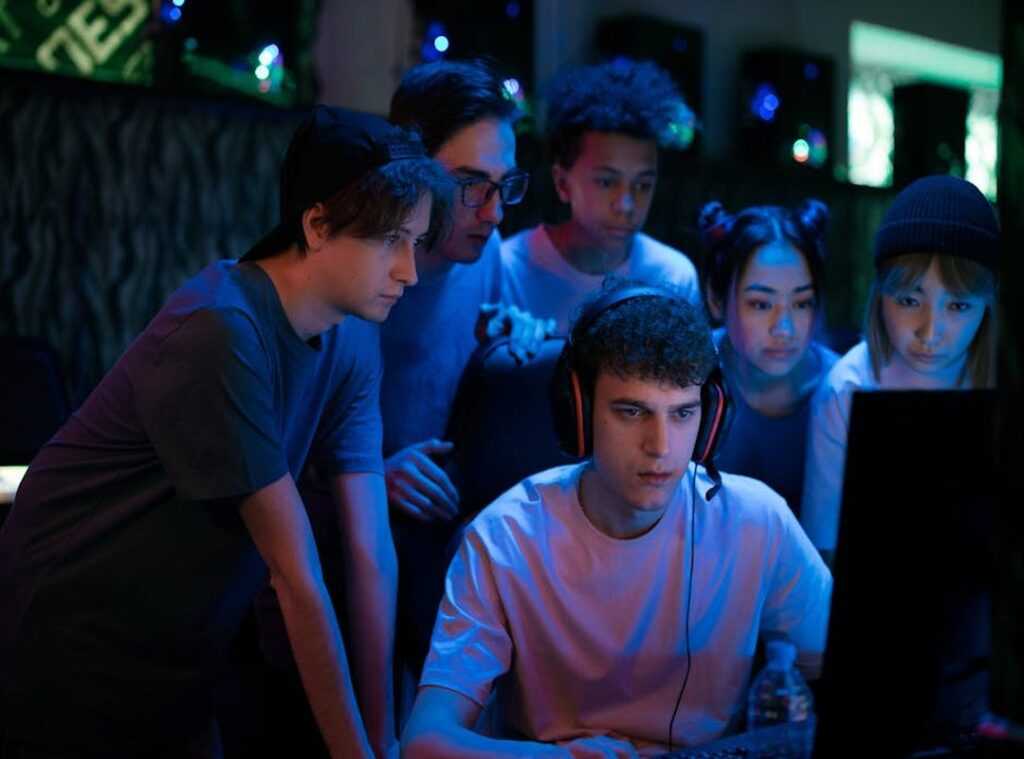
I still remember squeezing into a crowded LAN café, cables everywhere, cheering as if ten of us were a stadium. That scrappy energy now fills arenas worldwide. The difference? Fans aren’t spectators anymore—they’re stakeholders. Viewership numbers determine sponsorships and prize pools (yes, your Twitch sub matters). When chat explodes over a broken character, developers patch it. When a rookie trends on social media, organizations sign them. Some argue publishers control everything. Sure, they set rules. But audience impact on esports shapes revenue, updates, and careers daily in ways fans feel firsthand.
The Viewership Economy: How Clicks and Cheers Fuel the Industry
Esports runs on hype—but hype alone doesn’t pay the bills. Metrics do. Average Minute Audience (AMA)—the average number of viewers watching at any given minute—along with peak concurrent viewership, directly shapes sponsorship pricing on Twitch and YouTube. When a tournament posts a 1M+ peak, brands don’t see “cool plays.” They see guaranteed eyeballs (and measurable ROI). According to Esports Charts, major events like Worlds regularly surpass millions of peak viewers, driving premium ad rates and long-term brand deals. NO VIEWERS, NO VALUE.
Some argue raw numbers are overrated—that engagement matters more than scale. I partly agree. A smaller but loyal fanbase can outperform a massive, passive one. But let’s be honest: advertisers still pay for reach first. Passion is a bonus.
Media rights deals follow the same logic. Consistent, sticky viewership helped the LCS and Overwatch League secure multi-million dollar broadcast agreements (Reuters, 2018). Platforms invest when they believe fans will reliably show up—like clockwork, not like a viral meme that fades next week.
Crowdfunding proves audience impact on esports in the clearest way. Dota 2’s The International prize pool ballooned past $40M in 2021, largely fueled by in-game cosmetic sales tied to its Compendium (Valve data). Fans don’t just watch—they literally bankroll the spectacle (Tony Stark would approve).
Franchise league slots? Valuations hinge on fanbase size and engagement. Investors examine:
- Social reach
- Average viewership
- Merch performance
Pro tip: Teams that cultivate community—not just wins—retain value during rebuilding years. In this economy, attention IS currency.
From the Chat to the Code: How Fans Influence Gameplay

The Public Feedback Loop
Back in 2019, a single Reddit thread about an overpowered weapon in a major shooter gained over 20,000 upvotes in 48 hours. Within two weeks, developers issued a balance patch. Coincidence? Not likely. Large communities on Reddit, Twitter, and Discord now function as a real-time beta test. When thousands of players flag a bug or exploit, studios feel immediate pressure to respond (sometimes faster than their own QA cycles).
Critics argue that developers shouldn’t “design by committee.” After all, the loudest voices aren’t always the most informed. That’s fair. Yet ignoring collective feedback can fracture trust—and in live-service games, trust equals retention.
Shaping the ‘Meta’
The “meta” (short for metagame, meaning the most dominant strategies at a given time) evolves quickly. When a popular streamer declares a strategy broken, millions watch—and copy. Within weeks, ranked ladders and pro tournaments reflect that shift. Developers often deploy nerfs (reductions in power) or buffs (enhancements) to keep competition fresh. Without intervention, the professional scene risks becoming stale or “solved.”
This is where audience impact on esports becomes undeniable. Discussion doesn’t just follow competition; it shapes it. For deeper insight into how metrics guide these decisions, see data analytics in esports turning stats into strategy.
Designing for Spectatorship
Over the past five years, observer modes, instant replays, and cleaner UI overlays have become standard. Some purists argue games should prioritize players, not viewers. Yet esports revenue increasingly depends on broadcast appeal (Twitch viewership hit 35 million daily users in 2023, per Twitch Tracker). If spectators can’t follow the action, the ecosystem shrinks.
Controller and Peripheral Optimization
Finally, pro feedback—often amplified by fans—shapes hardware. Adjustable triggers, lower input latency, and custom firmware aren’t marketing fluff; they’re responses to competitive demand. Pro tip: small latency reductions, even under 5 milliseconds, can matter at elite levels (NVIDIA Reflex reports measurable improvements in response time).
The Star-Making Machine: Building Player and Team Brands
The old path to going pro used to run through scrims and tournament ladders. Now? It runs through Twitch chat.
The Streamer-to-Pro Pipeline has quietly become esports’ most reliable scouting system. A player who builds a loyal, engaged following isn’t just showcasing mechanics—they’re proving marketability. Organizations track concurrent viewers, chat velocity (how fast messages roll in), and conversion rates from stream to social media. In other words, they’re measuring business potential alongside in-game skill. (Yes, your K/D ratio now has a marketing department.)
Some critics argue this favors entertainers over elite competitors. Fair point. But teams aren’t just buying talent—they’re buying built-in distribution. A player who brings 50,000 loyal fans reduces customer acquisition costs overnight.
Driving Team Revenue goes beyond prize pools, which are volatile and top-heavy. Merchandise sales—jerseys, limited-edition drops, branded peripherals—offer steadier margins. Strong fan attachment directly fuels these sales, proving the tangible audience impact on esports.
Content as a Contractual Obligation is the final evolution. Today’s contracts often require:
- Minimum streaming hours
- Sponsored posts
- Event appearances
Content isn’t extracurricular. It’s equity-building. The unique edge? Players who treat their brand like a startup—not a side quest—create leverage that outlasts any single season.
The Next Wave: New Frontiers of Audience Interaction
First, let’s talk about co-streaming. In simple terms, co-streaming allows independent creators to broadcast official tournaments to their own communities while adding live commentary and personality. Leagues used to guard broadcasts tightly; now many embrace this decentralized model. I think it’s one of the smartest shifts in modern esports. Instead of one polished desk, you get dozens of authentic voices—like the multiverse of Marvel, but for match commentary. Critics argue it fragments viewership. Maybe. But in practice, it amplifies reach and strengthens community loyalty.
Meanwhile, interactive overlays are changing passive viewing into active participation. These on-screen tools display real-time stats—live performance data updated instantly—and even allow polls or predictive voting. Some purists say this distracts from the game. I disagree. Used well, it deepens understanding and boosts audience impact on esports by making fans feel involved rather than sidelined.
Then there are fan tokens and digital collectibles. These blockchain-based assets grant perks like voting rights or exclusive content access. Skeptics question their long-term value—and that’s fair. Still, when thoughtfully implemented, they create meaningful ownership, not just merch with a digital price tag. And honestly, that emotional stake? That’s powerful.
The arena lights may shine on players, yet the crowd holds the switch. Consider traditional sports, where fans cheer but rules rarely change, versus esports, where patches, prize pools, and even formats shift in response to viewer metrics. In other words, audience impact on esports functions less like applause and more like steering. If viewership spikes for faster matches, developers trim downtime; if skins sell, organizations double down on branding. Cause leads to effect, clearly. So when you watch, comment, or buy, are you merely observing or quietly casting a vote for what competitive gaming becomes next? The choice matters.
Level Up Your Competitive Edge
You came here to better understand the evolving landscape of game industry trends, competitive mechanics, and audience impact on esports—and now you have the clarity to see how each piece connects. From gameplay fundamentals to multiplayer dynamics and controller optimization, you’re better equipped to compete smarter and engage more strategically.
The reality is this: players and creators who ignore these shifts fall behind. Whether you’re struggling to keep up with meta changes, refine your mechanics, or grow within competitive scenes, the pain of stagnation is real—and it’s costly.
Now it’s time to act. Apply what you’ve learned. Analyze your gameplay. Optimize your setup. Study emerging esports patterns and adapt before others do.
If you’re serious about staying ahead in competitive gaming, don’t stop here. Dive deeper into expert-driven insights, sharpen your strategies, and use proven optimization techniques trusted by thousands of competitive players. Start refining your edge today and turn insight into in-game results.