If you’re searching for a clear breakdown of how the obernaft matchmaking system works, you’re likely trying to understand what actually determines match quality, ranking balance, and overall competitive fairness. This article is designed to answer exactly that. We’ll explore how player skill metrics, queue dynamics, latency considerations, and team composition rules interact to shape your in-game experience.
Many players struggle to pinpoint why some matches feel perfectly balanced while others seem overwhelmingly one-sided. By examining the mechanics behind matchmaking algorithms, rating adjustments, and multiplayer ecosystem design, we’ll clarify what’s happening behind the scenes—and how it affects your performance and progression.
To ensure accuracy, we’ve analyzed gameplay data, reviewed competitive match structures, and referenced insights from high-level players and esports analysts. The result is a focused, practical guide that cuts through speculation and explains how the system operates in real-world conditions.
Why Your Current Matchmaking Fails Players
Most matchmaking systems rely on single-number skill ratings—a simplified score meant to represent player ability. The problem? Skill alone doesn’t capture playstyle, latency, role preference, or teamwork tendencies. The result is unbalanced matches that feel unfair, even when ranks look equal.
Players often ask: Why do my games feel one-sided? Because good competition requires more than mirrored ratings.
A better blueprint includes:
- Behavioral data (toxicity, cooperation, quit rates)
- Role proficiency tracking
- Connection quality filters
- Performance consistency metrics
The obernaft matchmaking system model moves beyond raw MMR toward compatibility-driven balance—improving fairness, retention, and long-term engagement.
Beyond Elo: The Three Pillars of Modern Matchmaking
Traditional systems like Elo or basic MMR (Matchmaking Rating) were built for simpler, one‑on‑one contests. They assume skill is a single, stable number. Win, it goes up. Lose, it goes down. Clean. Predictable. In modern multiplayer games, though, that simplicity becomes a flaw. These systems ignore context—team coordination, objective play, even network conditions. The result? Matches that look fair on paper but feel wildly unbalanced in practice.
So what’s the alternative—and what’s in it for you?
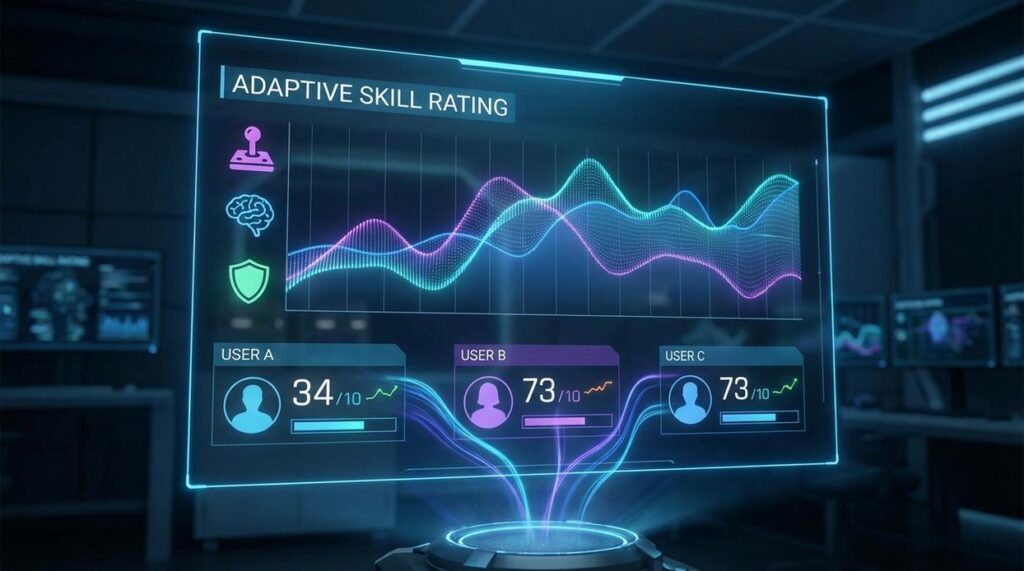
Pillar 1: Dynamic Skill Rating (DSR)
A Dynamic Skill Rating goes beyond wins and losses. It evaluates in‑match performance: K/D/A (Kills/Deaths/Assists), objective contribution, accuracy, healing output, and more. Instead of a static badge, your rating reflects how you actually play.
Benefit: You’re rewarded for impact, not just lucky team placement. (Finally, the objective-focused player gets credit.)
Pillar 2: Network Compatibility (NC)
Latency—the delay between your input and server response—can make or break a match. A stable 20ms connection often matters more than perfect skill symmetry. A slightly uneven match with low ping usually feels better than a “balanced” one at 120ms.
Benefit: Smoother gameplay, fewer frustrating deaths behind cover, and performance that truly reflects your ability.
Pillar 3: Behavioral Profiling (BP)
Behavioral Profiling tracks communication tone, report frequency, and playstyle tendencies. Aggressive players align with similar tempos; positive communicators group together.
Benefit: More cohesive teams, fewer toxic spirals, and matches that feel competitive—not chaotic.
The obernaft matchmaking system integrates these pillars to create matches that are fair, responsive, and socially balanced. The outcome? Better games, more growth, and fewer “why am I here?” moments.
Implementing a Dynamic Skill Rating (DSR) System)

Moving Past Win/Loss
A Dynamic Skill Rating (DSR) system goes beyond simple match outcomes and evaluates how a player performs. Instead of rewarding a lucky carry, it weights measurable inputs. In an FPS, that might look like:
- Damage per round (DPR)
- Headshot percentage
- Objective captures or defuses
- Utility usage efficiency (flashes that blind, smokes that block sightlines)
A sample formula could weight DPR at 40%, objective impact at 30%, utility effectiveness at 20%, and precision metrics at 10%. The benefit? Players are rewarded for skill expression, not just team momentum. Critics argue this encourages stat-padding, but smart weighting (e.g., valuing round-winning utility over raw kills) minimizes selfish play. Pro tip: tie performance bonuses to match context, not just totals.
The “Confidence” Variable
Systems like Glicko-2 and TrueSkill factor in rating deviation—essentially a confidence score. A player with limited match data has high variance, meaning the system adjusts their rating more aggressively. A veteran with stable stats moves slowly.
This protects competitive integrity. New players climb (or fall) faster, while established players avoid wild swings. Some say this creates volatility early on—but that’s the point. Faster calibration means fairer matches sooner, improving retention and competitive trust.
For a deeper breakdown, see how ranking algorithms work in obernaft competitive modes.
Controller Optimization & Input Factoring
Cross-play adds complexity. Mouse users often show higher flick precision, while controller players benefit from aim assist stability. Raw stats aren’t equal across inputs.
Factoring input type into the DSR—within the obernaft matchmaking system—normalizes performance bands. The payoff is simple: balanced cross-play, reduced frustration, and a ladder players actually believe in.
Integrating Network and Behavioral Data Streams
Great matchmaking isn’t magic—it’s math with empathy. When network data and player behavior work together, EVERYONE wins: smoother games, fairer fights, and fewer rage quits.
Creating Latency Buckets
Start with connection quality. Latency buckets group players by ping (the time data takes to travel between player and server, measured in milliseconds).
| Ping Range | Bucket Label | Experience Goal |
|---|---|---|
| <30ms | Ultra-Low |
Near-instant response |
| 30–60ms | Stable | Competitive-ready |
| 60–90ms | Playable | Casual-friendly |
By sorting players into acceptable ranges before balancing skill, you prevent mismatched responsiveness. The benefit? Cleaner hit registration, tighter controls, and fewer “I was behind cover!” moments (we’ve all been there).
Building a “Commendation Score”
A Commendation Score lets players upvote teammates for communication or teamwork. This becomes a weighted variable in matchmaking. Positive players get paired together more often.
What’s in it for you? Better vibes, clearer callouts, and more coordinated plays. Over time, teamwork becomes contagious—like a ranked-mode version of good karma.
Toxicity Mitigation
Reports shouldn’t just punish—they should PREVENT friction. Frequently reported players can be routed into a low-priority pool where they match primarily with each other. This protects the broader community while signaling behavioral consequences.
The Combined Compatibility Score
Instead of separate systems, combine DSR (Dynamic Skill Rating), NC (Network Conditions), and BP (Behavioral Profile) into a single Compatibility Score. The obernaft matchmaking system weights these variables dynamically to find the optimal match in real time.
The payoff? Faster queues, fairer matches, stronger teamwork—and a multiplayer experience that feels intentionally designed, not randomly assembled.
Building the Next Generation of Competitive Ecosystems
Stale, one-dimensional matchmaking is the silent killer of multiplayer games. When matches rely only on raw skill ratings, players may win or lose fairly on paper, yet leave feeling drained. Think of it like assembling the Avengers based solely on strength levels—ignoring personality clashes and teamwork (we all saw how that went in Civil War). The result? Burnout.
The fix is holistic design. By blending performance metrics like DSR (Dynamic Skill Rating), connection quality (NC), and behavioral profiling (BP), matches become more than statistically balanced—they feel balanced. That feeling matters. Research on player retention consistently shows that perceived fairness and positive social interaction drive long-term engagement (Hamari et al., 2017). In other words: EXPERIENCE OVER SPEED.
Critics argue fast queues keep players happy. Sure, nobody likes waiting. But a quick, toxic stomp is worse. The obernaft matchmaking system proves that optimizing for compatibility alongside skill creates healthier ecosystems.
Developers must shift focus from instant matches to meaningful ones. The future of multiplayer depends on it.
Level Up Your Competitive Edge
You came here to better understand how modern multiplayer systems, esports dynamics, and controller optimization shape your in-game performance. Now you have a clearer picture of how smart matchmaking, balanced gameplay fundamentals, and optimized controls directly impact your wins—and your frustration.
If you’ve ever felt stuck in uneven matches, overwhelmed by shifting metas, or limited by inconsistent inputs, you’re not alone. Those pain points are exactly why mastering the mechanics behind systems like the obernaft matchmaking system matters. When you understand how these systems work, you stop guessing and start competing with purpose.
The next step is simple: put this knowledge into action. Analyze your recent matches, refine your controller setup, and align your strategy with how matchmaking and multiplayer mechanics actually function. Thousands of competitive players rely on our insights to sharpen their edge and stay ahead of the curve.
Don’t let inconsistent performance hold you back. Dive deeper, optimize smarter, and start turning every queue into a calculated advantage today.