Esports has exploded from niche tournaments to sold-out arenas and global online communities numbering in the millions. But behind the high-performance rigs, international events, and always-on servers lies a growing challenge few talk about: this digital-first phenomenon carries a very real environmental footprint. Energy-intensive hardware, constant streaming, and large-scale live productions all add up. This article delivers a practical blueprint for building a sustainable esports ecosystem—one that supports competitive excellence while reducing environmental impact. It’s not about compromising performance; it’s about making smarter choices today to ensure the competitive scene thrives for generations to come.
The Hidden Energy Cost of Competitive Gaming
Competitive gaming looks weightless on screen, but the energy footprint is anything but virtual.
First, the obvious draw: hardware. High-performance gaming PCs with RTX-class GPUs, overclocked CPUs, 240Hz monitors, and RGB-loaded peripherals can pull 500–800 watts combined during peak sessions. Now multiply that by 10-hour scrim blocks in Seoul PC bangs or Berlin team houses running practice rooms daily. That’s serious electricity consumption (and yes, your PSU rating suddenly matters). Consoles like the PS5 and Xbox Series X also demand sustained power, especially during competitive titles optimized for 120fps.
Then there’s the server side. Game publishers rely on hyperscale data centers—think AWS regions in Northern Virginia or Google facilities in Finland—operating 24/7. These centers require massive cooling systems to prevent thermal runaway, effectively doubling energy use through what’s known as Power Usage Effectiveness (PUE) (U.S. Department of Energy). Add live streaming infrastructure on Twitch and YouTube, and the load spikes during global tournaments.
LAN events compound the issue. International flights for players, production crews, and fans—whether to Katowice or Los Angeles—create measurable carbon output (International Energy Agency).
Finally, e-waste. Keyboards, mice, GPUs, and controllers cycle out quickly, and improper recycling fuels a growing waste stream (Global E-waste Monitor).
Building a sustainable esports ecosystem means confronting all of it—and understanding how real time audience interaction is changing esports events.
The Green Playbook: Core Principles for an Eco-Conscious Community
As we explore the strategies necessary for cultivating a thriving esports ecosystem, it’s crucial to stay updated on industry developments, so be sure to check out our latest insights in ‘Gaming News Tgageeks‘ for more context.
Principle 1: Efficiency as a Foundation. At its core, efficiency means doing more with less energy. For gamers, that starts with energy-efficient hardware, such as 80 Plus certified PSUs. An 80 Plus rating indicates a power supply converts electricity with minimal waste, meaning less heat and lower bills. Next, optimize in-game and system power settings; simple tweaks like enabling sleep mode reduce idle drain. Finally, build a “power down” habit when not playing (yes, even after “one last match”).
Principle 2: Digital-First Events. Instead of defaulting to travel-heavy tournaments, prioritize online formats. Fewer flights and car trips mean fewer emissions, which is straightforward climate math. At the same time, digital brackets expand access to players who cannot afford travel or visas. In other words, sustainability and inclusivity can level up together.
Principle 3: Education and Awareness. Because terms like carbon footprint simply describe the total greenhouse gases linked to our actions, they should not feel abstract. Regular Discord chats, stream shout-outs, or news posts can translate big ideas into practical steps. Over time, this keeps sustainability visible, not buried in patch notes.
Principle 4: Purposeful Partnerships. Look for brands with measurable environmental goals, and consider charity streams that support conservation work. Transparency, in this context, means clear reporting on impact, not vague promises. Together, these principles form a sustainable esports ecosystem that balances performance with responsibility. Small consistent actions ultimately shape community norms and long-term cultural change. Start simple, then scale.
An Actionable Checklist for Greener Gameplay
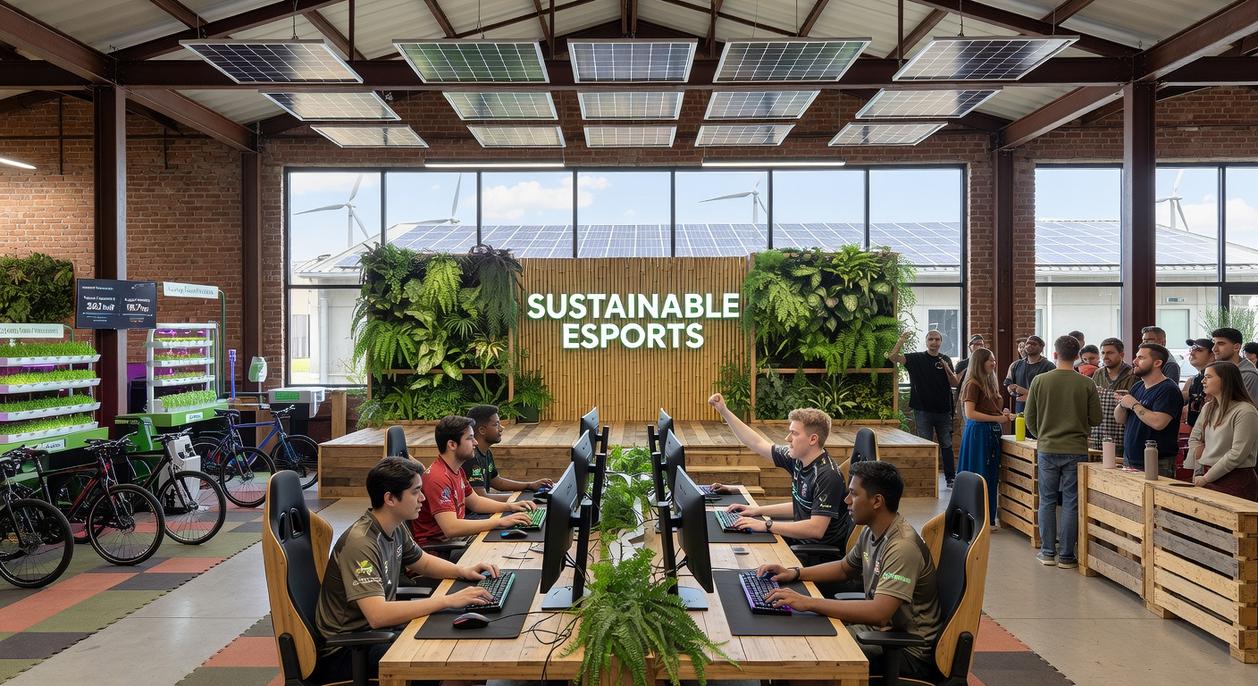
The glow of a monitor in a dark room, the low hum of cooling fans, the click-clack of mechanical keys—gaming is a sensory experience. Yet behind that electric buzz sits a real-world footprint. So how do we keep the thrill while lightening the load? Let’s break it down.
For Community Organizers
First, create a Green Charter—a simple, shared pledge outlining sustainability goals. When expectations are clear, they stick (much like a ranked ladder reset, but with less rage).
Next, when planning LAN events, choose venues with visible recycling stations, energy-efficient lighting, and modern cooling systems. You can almost feel the difference: cooler air, quieter ventilation, less wasted heat. These details add up.
Instead of shipping plastic trophies or bulky merch, offer digital prizes—exclusive skins, in-game currency, or digital gift cards. No cardboard, no bubble wrap, no diesel delivery trucks idling outside.
For Individual Players
Meanwhile, at home, tweak your graphical settings. Lower ultra-level shadows or motion blur that barely change what you see but push your GPU into overdrive. Your system runs quieter, cooler, smoother. (Pro tip: cap your frame rate to match your monitor’s refresh rate to avoid unnecessary strain.)
Also, commit to recycling old controllers, consoles, and batteries properly. E-waste contains hazardous materials, and recycling helps recover valuable metals (EPA).
Finally, support developers who openly report renewable energy use for servers. Transparency matters. When communities demand it, the industry shifts toward a more sustainable esports ecosystem—one match, one setting, one decision at a time.
Back in 2019, many gaming communities focused purely on winning. Yet over the past five years, teams that embraced eco-values have seen deeper loyalty and steadier growth. A shared mission beyond trophies builds identity; it turns players into advocates (and advocates stick around). While some argue games should stay “just games,” younger fans increasingly expect responsibility—73% of Gen Z prefer brands aligned with their values (Deloitte, 2023). Consequently, a sustainable esports ecosystem signals long-term thinking. Planning for environmental impact today means resilience tomorrow. In the long run, communities that think beyond the next season are the ones still thriving years later.
Level Up Your Impact, One Match at a Time
Building a sustainable esports ecosystem doesn’t happen by accident. It’s the result of smarter tech choices, more mindful event planning, and a community culture that values awareness as much as wins. The reality is clear: esports is growing fast, and without conscious effort, that growth becomes unsustainable.
The good news? These solutions don’t just reduce environmental impact—they strengthen the scene, boost credibility, and future-proof the community you care about.
You came here looking for practical ways to make a difference. Now you have them. This week, commit to implementing just one green strategy and start leveling up your impact—one match at a time.