
Breaking into careers in professional gaming takes more than raw skill and a fast reaction time. If you’re here, you’re likely trying to understand what it really takes to turn competitive play into a sustainable path—whether as a pro player, coach, analyst, or part of the broader esports ecosystem. The reality is that the industry moves fast, and outdated advice can cost you valuable time.
This article is built to give you a clear, current view of how professional gaming actually works today—from skill development and team dynamics to tournament structures and long-term progression. We draw on in-depth analysis of competitive trends, gameplay mechanics, and the evolving esports landscape to separate hype from practical strategy.
By the end, you’ll have a realistic understanding of the opportunities available, the challenges you’ll face, and the concrete steps that can move you closer to competing at the highest level.
Step into the arena and you feel the bass thrum through your chest, LED lights slicing the haze like a sci‑fi battlefield. While superstars hoist trophies, thousands of skilled professionals work behind the curtain. If you’ve ever thought only elite reflexes unlock careers in professional gaming, think bigger.
Consider:
- Team managers coordinating scrims amid the click-clack of mechanical keyboards.
- Broadcast producers balancing audio so every shoutcaster’s call crackles clean as a Marvel finale.
- Analysts parsing replays, eyes stinging from blue light, hunting pixel-thin advantages.
This ecosystem hums, smells faintly of energy drinks, and rewards strategy, storytelling, and leadership. There is space.
Building the Champions: Careers Directly Supporting Esports Teams
Behind every highlight reel and trophy lift is a small army of professionals who make winning look easy (it’s not). These are the unsung heroes shaping modern careers in professional gaming.
Coaching & Performance Analysis:
Today’s esports coach is part strategist, part data scientist, part therapist. Beyond drafting plays, they conduct VOD reviews (Video on Demand recordings used to dissect past matches) and break down gameplay into measurable patterns—reaction times, positioning errors, ability usage efficiency. Think “Moneyball,” but with headsets and energy drinks. Some argue raw talent wins championships. Talent matters, sure. But without structured review and psychological insight, even prodigies plateau. Great coaches translate messy gameplay data into repeatable, winning systems (and occasionally remind players to unmute themselves).
Team Management & Operations:
If coaches are the brains, managers are the spine. They handle contracts, sponsor obligations, scrim schedules, travel logistics, and team housing. In other words, everything that prevents chaos. Critics sometimes say this is “just admin.” Try coordinating international visas two days before playoffs and say that again. Strong operations let players focus solely on performance—not flight delays or missing peripherals.
Player Health & Wellness:
The modern esports athlete needs holistic care. Sports psychologists build mental resilience under high-stakes pressure. Nutritionists design diets for sustained focus. Physical therapists treat repetitive strain injuries (yes, wrist pain is real). Some skeptics question whether gamers need this level of support. But when split-second reactions determine outcomes, physical and mental optimization isn’t luxury—it’s competitive advantage.
Esports isn’t just competition—it’s show business with a ping time. At its core, it’s an entertainment product, and that means spectacle matters as much as skill (sometimes more than purists like to admit).
On-Camera Talent (Casters & Hosts)
Casters—also called shoutcasters—deliver play-by-play commentary (real-time narration of the action) and color commentary (strategic insight and personality-driven analysis). Hosts and desk analysts guide the broadcast, handle interviews, and frame the storylines that keep fans emotionally invested.
Early on, I underestimated how much preparation this role demands. I assumed passion for the game would carry the show. It didn’t. Dead air, missed storylines, and mispronounced player tags taught me that preparation is performance. According to Nielsen Esports reports, personality-driven broadcasts significantly improve viewer retention (Nielsen, 2022). Lesson learned: hype without structure falls flat.
Live Event Production
Behind every seamless broadcast is a technical army:
- Technical directors coordinating feeds
- Camera operators and in-game observers capturing key moments
- Audio engineers balancing commentary and game sound
- Replay operators delivering clutch highlights
When production slips—laggy transitions, bad audio levels—viewers notice instantly (and they will let you know in chat). I once saw a tournament lose thousands of live viewers after repeated stream crashes. Harsh, but educational.
Digital Content & Community Management
Highlights, thumbnails, memes, and social engagement fuel long-term growth. Community management—actively engaging and moderating fan spaces—turns casual viewers into loyal supporters. Miss this step, and even great broadcasts fade.
Some argue gameplay alone builds careers in professional gaming. But visibility builds brands. Think of it like the Super Bowl halftime show—competition plus spectacle wins the crowd.
Pro tip: Consistency across broadcast, clips, and social channels compounds faster than viral one-offs.
Powering the Industry: Business and Infrastructure Roles
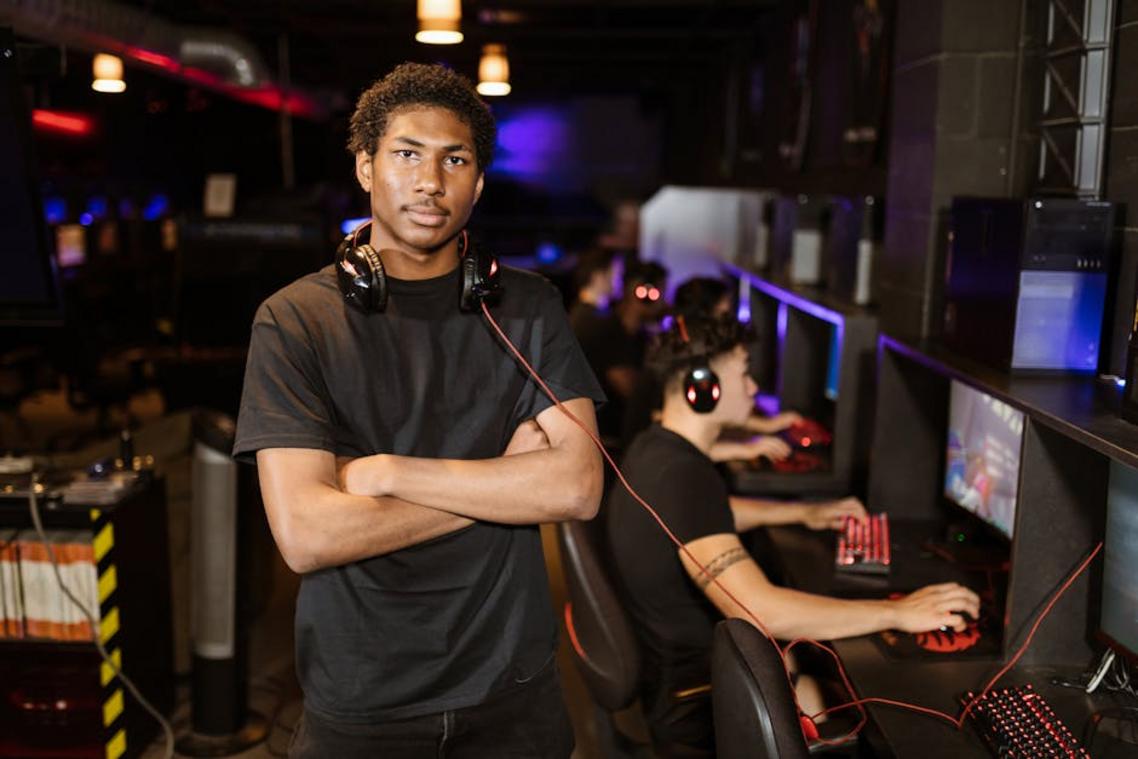
Behind every sold-out arena and million-dollar prize pool sits a complex machine of professionals who rarely touch a controller on stage. These are the architects of stability in esports—handling structure, revenue, and long-term sustainability.
League & Tournament Operations
First, league and tournament operations teams design the competitive ecosystem itself. They set formats, enforce rules, and coordinate global events for organizations like ESL or Riot Games. Think of them as the referees, event planners, and air traffic controllers rolled into one (because someone has to make sure the semifinals actually start on time). While some argue competitive integrity “naturally evolves” from player communities, history shows structured governance increases longevity and viewership stability (Newzoo, 2023).
Next comes Marketing, Sales & Sponsorships—the revenue engine. These professionals secure deals with endemic brands like hardware manufacturers and non-endemic giants such as automotive companies. Critics sometimes claim sponsorships “commercialize” the scene too much. Yet without diversified revenue streams, leagues struggle to scale or even survive.
Finally, Game Development (Esports Focus) ensures competitive balance. Game balancers fine-tune mechanics, observers enhance broadcasts, and developers build APIs for analytics. Some purists argue patches disrupt player mastery. However, balanced updates maintain fairness and viewer engagement over time.
If you’re exploring careers in professional gaming, don’t overlook these infrastructure roles. They shape the same ecosystem that supports the daily training routines of professional esports athletes—and without them, the spotlight wouldn’t shine at all.
The Next Level: Specialized and Future-Facing Careers
As esports evolves, new roles bloom like expansion packs adding hidden quests. Esports journalism and data science—meaning the practice of interpreting competitive statistics through algorithms—turn raw match data into stories as gripping as Moneyball. Meanwhile, player representation and law act as the industry’s shield, negotiating contracts and protecting intellectual property (think of it as superhero legal armor). On the hardware side, engineers iterate controllers and mice the way Formula 1 teams tune engines. Admittedly, some argue these niches are too narrow; however, careers in professional gaming increasingly demand specialization. Depth beats general exposure.
Finding Your Place in the Game
First, let’s clear this up: you don’t have to be the next superstar player to thrive in esports. The industry runs on marketers, event coordinators, broadcast techs, analysts, and community managers (yes, the people making sure Discord doesn’t implode). In other words, careers in professional gaming stretch far beyond the spotlight.
So what should you do? Start small and practical. Volunteer at a local tournament. Offer to manage social media for a semi-pro team. Create short-form breakdowns of your favorite matches. Then, refine what clicks.
Pro tip: document your work publicly. A visible portfolio beats raw enthusiasm every time.
Level Up Your Next Move in Gaming
You came here to better understand the fast-moving world of gaming—how industry trends, esports dynamics, multiplayer systems, and controller optimization all connect. Now you have a clearer picture of how these elements shape player performance and open doors to real opportunities.
The biggest frustration for most aspiring players and enthusiasts is not knowing where to focus. The industry evolves quickly. Skills get outdated. Trends shift. And without the right insights, it’s easy to fall behind while others surge ahead.
The truth is this: mastering gameplay fundamentals, understanding competitive ecosystems, and optimizing your setup aren’t optional anymore. They’re the foundation for anyone serious about growth—especially those exploring careers in professional gaming.
If you’re ready to stop guessing and start improving strategically, dive deeper into advanced guides, stay updated on esports developments, and refine your mechanics with proven controller optimization techniques. Join thousands of competitive players who rely on trusted, data-driven gaming insights to sharpen their edge.
Your next level isn’t going to unlock itself. Start training smarter, stay informed, and take action today.