
The competitive gaming landscape is evolving faster than ever, and players, fans, and aspiring competitors are all asking the same question: where is esports heading next? From shifting multiplayer mechanics to smarter controller optimization and the rise of grassroots tournaments, understanding today’s trends is essential if you want to stay competitive.
This article breaks down the most important movements shaping the scene right now, including the growing indie esports influence that is redefining how communities form and thrive. We’ll explore how gameplay fundamentals are being refined for high-level competition, how multiplayer systems are engineered for balance and engagement, and how emerging titles are carving out space alongside established giants.
Our insights are grounded in ongoing analysis of tournament data, developer updates, and competitive performance trends across multiple genres. Whether you’re a serious competitor or an engaged fan, you’ll gain a clear, practical understanding of what’s driving modern esports—and how to adapt to it.
The Content Creator Effect: Shaping Metas and Minting Stars
At first glance, content creators might seem like entertainers first and competitors second. However, their impact on esports runs much deeper. To clarify, a meta (short for “most effective tactics available”) refers to the dominant strategies, characters, or weapons considered optimal at a given time. Increasingly, those metas are shaped not by coaches—but by streamers.
Grassroots Talent Scouting
High-ranking streamers often function as unofficial scouts. When they spotlight a skilled but unknown player during ranked matches, thousands of viewers take notice. Soon after, organizations do too. In practical terms, this visibility shortens the path from solo queue to signed contract. It’s similar to how a viral mixtape once launched rap careers (SoundCloud-era déjà vu).
Meta-Definition and Gameplay Fundamentals
Just as importantly, creators redefine gameplay fundamentals—the core mechanics and strategies that underpin high-level play. By experimenting publicly, they can:
- Popularize unconventional builds
- Revive underused characters
- Stress-test risky strategies in real time
When audiences replicate these ideas, ranked ladders shift. Professional teams are then forced to adapt. Some argue pros set the standard, not streamers. Yet repeated cases show indie esports influence pushing innovation faster than formal scrims ever could.
Community and Monetization Shifts
Unlike official broadcasts, creators cultivate tight-knit communities. That loyalty drives ticket sales, merchandise demand, and crossover interest—especially amid discussions about the rise of cross platform titles in competitive gaming.
Finally, direct-to-creator sponsorships—where brands partner with individuals instead of teams—have redefined revenue models. Pro tip: organizations now study top creators’ engagement metrics before designing partnership decks. In short, today’s stream is tomorrow’s scouting report.
The Freelance Brain Trust: On-Demand Coaches and Analysts
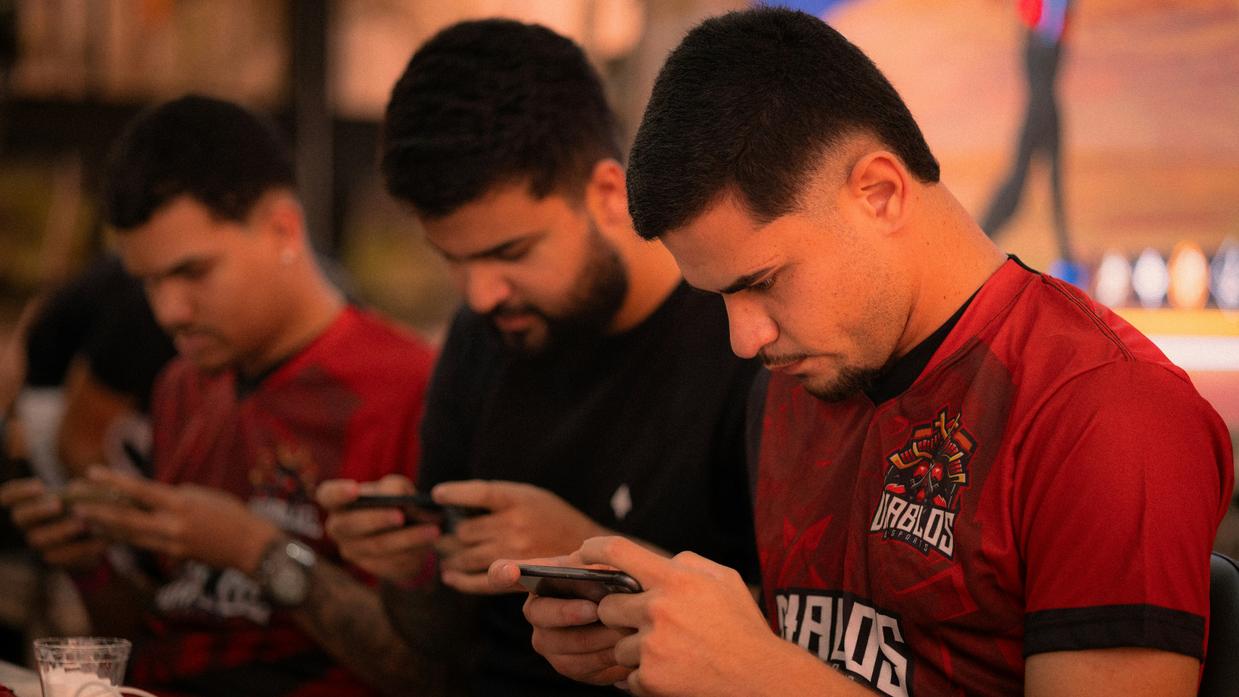
Esports teams no longer rely solely on in-house staff. Instead, they tap into a freelance brain trust—independent coaches, analysts, and data scientists hired to solve highly specific problems fast. What’s in it for them? Precision, speed, and a measurable competitive edge.
Specialized Skill Development
Need sharper controller optimization after a new patch? Struggling to dominate a single map in rotation? Teams now bring in short-term specialists to fix exactly that. These experts focus on one outcome, deliver results, and move on. (Think of it like calling in a boss-level consultant for a side quest.)
Benefits include:
- Faster adaptation to patches and meta shifts
- Targeted improvement without long-term payroll costs
- Immediate skill transfer to the core roster
Pro tip: Short contracts work best when objectives are clearly defined—vague goals produce vague results.
External Audits
An outside analyst provides an unbiased breakdown of communication gaps, strategy flaws, and multiplayer mechanisms. Because they’re not embedded in team politics, they can say what others won’t. The upside? Honest feedback that accelerates growth instead of protecting egos.
Flexibility and Adaptability
Independent analysts often work across titles, bringing cross-game insights that single-team coaches might overlook. This cross-pollination—sometimes shaped by indie esports influence—sparks creative strategies competitors don’t see coming.
The Data Revolution
Freelance data scientists now build third-party analytics platforms essential for match prep and opponent scouting. Teams gain:
- Deeper statistical modeling
- Real-time trend analysis
- Smarter draft and rotation decisions
The result is simple: faster improvement, sharper strategy, and a competitive ceiling that keeps rising.
Building the Scene: Independent Casters and Tournament Organizers
The Voice of the Game
First, let’s talk about the voices you hear before a final round begins. Freelance casters and commentators don’t just narrate plays; they translate split-second decisions into stories that make viewers care. Without them, a clutch is just a statistic. With them, it’s a moment that feels like the final scene of a blockbuster. And yet, many of these iconic voices are independent contractors, hustling gig to gig, chasing late payments and inconsistent recognition. That’s frustrating.
The Tier-2 and Tier-3 Ecosystem
Meanwhile, independent tournament organizers keep amateur and semi-pro scenes alive. They book venues, manage brackets, and moderate Discord chaos so rising players have somewhere to compete. Critics argue that only publisher-backed leagues matter. However, without grassroots circuits, the pipeline to pro play collapses. It’s not glamorous, and it rarely pays well, but it fuels indie esports influence in ways the spotlight rarely shows.
Innovation in Production
Moreover, independent organizers experiment boldly. They test new overlays, community polls, and hybrid online-offline formats that major leagues later adopt. It’s ironic: the scrappy stream with duct-taped graphics often pioneers the future.
Niche Game Communities
Finally, for titles without publisher support, independents are the ecosystem. They organize, cast, promote, and archive events, often burning out in the process. It’s exhausting, and fans feel that instability. Still, without their stubborn dedication, entire competitive scenes would simply disappear. And players would lose the proving grounds that shaped their legends. That loss would sting.
Leveling Up Your Competitive Edge in Modern Gaming
You came here to better understand the forces shaping today’s competitive gaming landscape—from gameplay fundamentals to multiplayer mechanics and the growing indie esports influence redefining the scene. Now you have a clearer picture of how these elements connect and how they impact your performance, strategy, and long-term growth as a player.
The challenge most players face isn’t passion—it’s direction. Without understanding evolving esports dynamics, controller optimization, and the systems behind competitive balance, it’s easy to feel stuck or outpaced. That frustration can cost you wins, rankings, and confidence.
The next move is simple: stay informed, refine your mechanics intentionally, and apply what you’ve learned to your next session. Dive deeper into competitive analysis, test new optimization techniques, and adapt your playstyle to match where the industry is heading.
If you’re serious about sharpening your edge, explore more expert breakdowns, strategy insights, and performance-focused guides. Join thousands of competitive players who rely on our in-depth coverage to stay ahead of the meta. Start optimizing your game today and turn knowledge into your next victory.