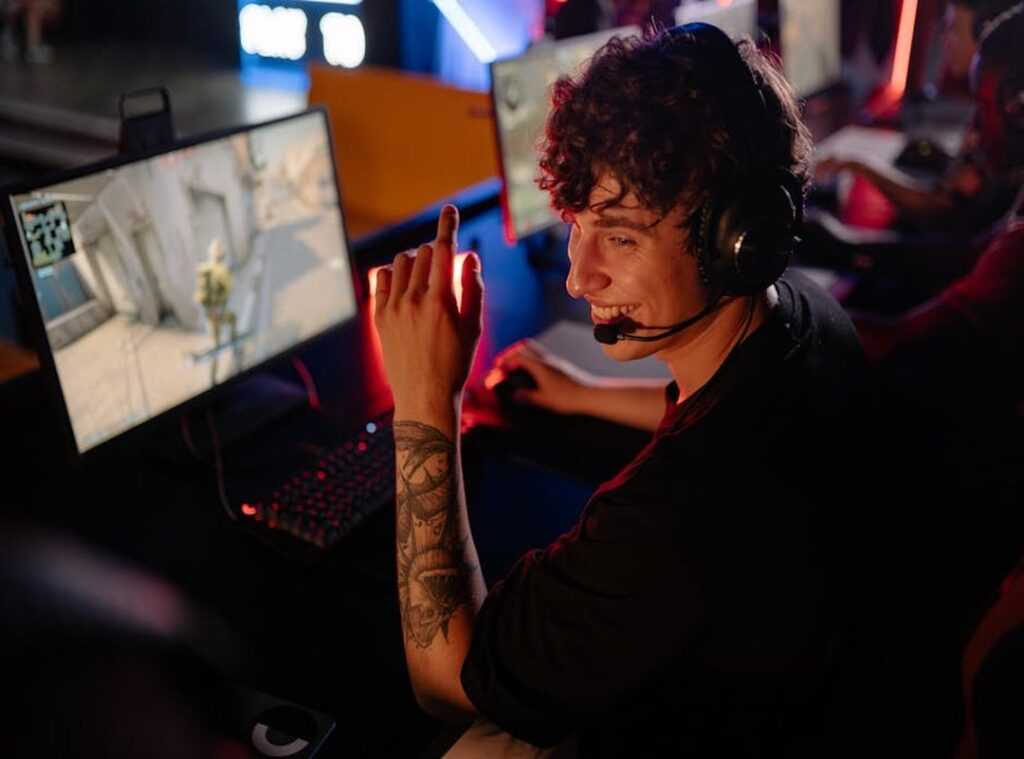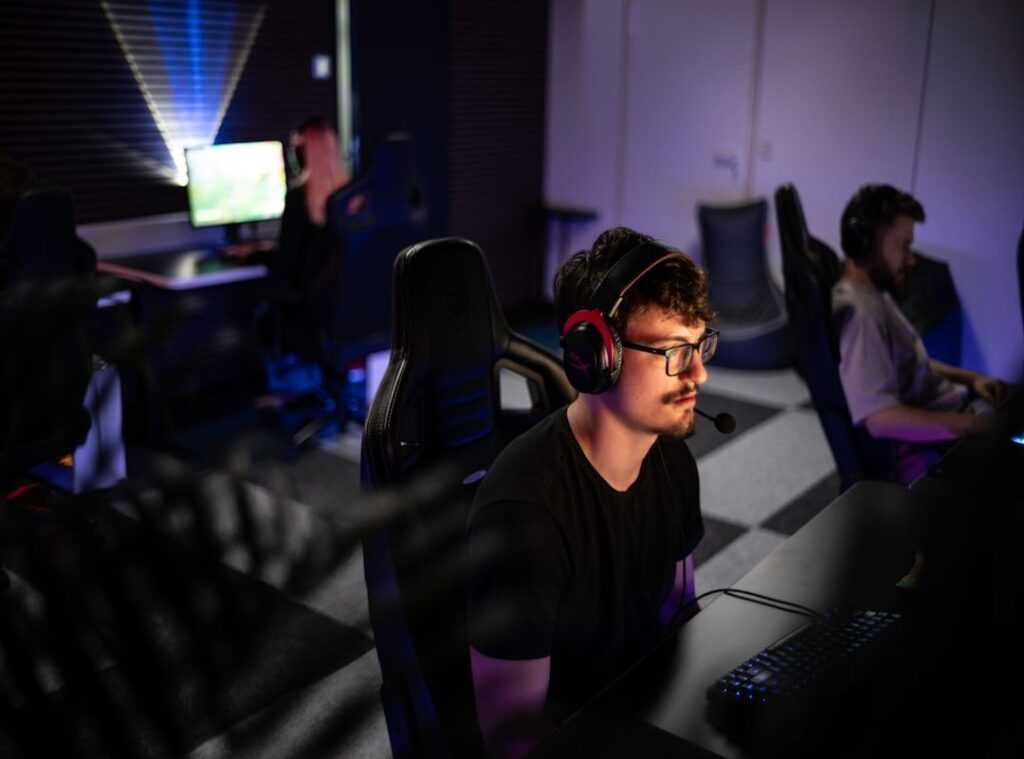

Pro gamers aren’t flawless machines. They’re humans, prone to errors just like the rest of us. You see those highlight reels and might think they’ve got it all figured out.
But behind the flashy plays are pro gamer mistakes that even the best make. Aspiring players get stuck focusing only on mechanics. They miss the mental and strategic slip-ups that hold them back from greatness.
I’ve spent years breaking down professional VODs, digging deeper than just gameplay. It’s about understanding the dynamics and the subtle errors pros make. Does that surprise you?
It should. Because these errors aren’t obvious, and they’re not discussed enough.
Stick around. I’ll reveal the common pitfalls in mindset and plan that separate good players from the legendary ones. Ready to learn what really makes a pro?
Mindset Mayhem: Where Even Pros Slip Up
Let’s talk about tilt. It’s when you let emotions from a bad move cloud your future decisions. Imagine this: you’re in a heated 1v1, you lose, and suddenly you’re seeing red.
Now, for the next five minutes, you’re charging in aggressively, out of position, and making reckless plays. Sound familiar? If you’re nodding, you’re definitely not alone.
Burnout is another beast altogether. Playing more than 10 hours a day can push anyone into autopilot. You start relying on muscle memory instead of actively problem-solving.
This leads to lazy mistakes and predictable gameplay. I mean, keep pressing the same buttons, get the same results, right? It’s a trap even seasoned players fall into.
Then, there’s overconfidence. Picture a top-seeded team. They’ve got the win in the bag, or so they think.
They skip the research on their underdog opponent, stick to generic strategies, and dismiss their opponent’s strengths. Boom, they lose. It’s an all-too-common tale of pro gamer mistakes.
Ever watched a movie where the hero underestimates the villain? This is that (just) in esports form.
To win, understanding the Psychology Winning Professional Gaming is key. Knowing how to avoid these pitfalls can make or break your game. Winning isn’t just about reflexes or knowing the map.
It’s about keeping your head in check. So, when was the last time you assessed your mental game?
Strategic Blind Spots: When Game Plans Go Wrong
Ever notice how some pro gamers get stuck? They stick to a plan like it’s their life raft and it ends up sinking them. It’s a classic case of being too rigid.
You see this when teams refuse to adapt even when their pre-planned plan is getting countered left and right. Why don’t they just switch it up?
That’s a pro gamer mistake right there. They get caught in the trap of “meta-chasing” without really understanding why a plan works. It’s like copying someone’s homework without knowing the answers.
Sure, you look smart for a bit, but then you stumble. I’ve seen teams mimic a popular plan only to fumble the execution. It’s embarrassing.
It’s like watching someone try to dance to a tune they’ve never heard before.
And then there’s the in-game adaptation (or) lack thereof. Picture this: a team gets flanked multiple times, yet they keep positioning the same way. It’s like watching a bad horror movie where the character keeps opening the wrong door.
You’d think they’d learn after getting ambushed. But no. They keep falling for the same ultimate-combination.
Why not change positioning or warding patterns? It’s baffling.
Another mistake? Not respecting your opponent. Some pros assume their opponents can’t pull off high-skill plays.
They leave themselves wide open and then act surprised when it happens. What did they expect? If you underestimate your opponent, you’re setting yourself up for failure.
And while we’re at it, have you heard about professional gaming on the downturn cheesy? It’s like adding insult to injury. These strategic blind spots aren’t just hurting teams; they’re hurting the whole scene.
So, what’s the takeaway here? Adapt or get left behind. Simple, right?
But not easy. That’s the kicker.
Practice Pitfalls: Grinding Smarter, Not Just Harder
Ever heard of junk practice? You know, those endless hours of gaming where you just play without any real aim? It’s like we’re stuck on a hamster wheel, spinning around, and not getting anywhere.

This type of practice just solidifies bad habits, rather than building new skills. On the flip side, deliberate practice (focusing on improving one specific thing) is what actually moves the needle. But how many of us can truly say we do this every time we play?
One of the biggest pro gamer mistakes out there: not reviewing VODs. Watching replays is important, but let’s be honest, it’s often overlooked. Typically, pros skip this step due to time constraints or egos.
I mean, who wants to face their own mistakes repeatedly, right? But without this key self-review, we risk repeating the same errors and stagnating.
Then there’s the matter of fundamentals. When you’re eye-deep in complex strategies (macro) plays, team rotations, all the fancy stuff (it’s) easy to ignore the basics. Pros sometimes let simple mechanics, like last-hitting in a MOBA or maintaining good crosshair placement in an FPS, fall to the wayside.
And believe it or not, those slip-ups can be costly in the heat of battle.
Want to dive deeper into how the best train? Check out how Training Regimens Top Esports Athletes approach their craft. They know the importance of balancing both advanced tactics and basic skills.
So, the next time you hit the grind, think about whether you’re actually improving or just reinforcing those pesky bad habits. Time to get smart about practice.
Team Play Turbulence: Communication and Combo Breakdowns
Communication in gaming isn’t just a buzzword. It’s the backbone of any successful team. And yet, so many pro gamer mistakes boil down to poor communication quality.
It’s not about how much you talk, but what you say. A call like “He’s low!”? Useless.
Compare that to “Enemy Jett low, no dash, back-site heaven.” Now that’s team combo. It gives everyone clear, actionable intel.
Then there’s the blame game. Man, nothing kills team morale faster. When players start pointing fingers mid-game, the whole performance crumbles.
It’s like a domino effect. One person blames another, trust erodes, and suddenly everyone’s too scared to make a play. They hesitate, second-guess, and before you know it, they’re paralyzed.
And let’s talk about the star player syndrome. We’ve all seen it. That one player who thinks they can solo carry the team to victory.
Sure, they might be mechanically gifted, but going rogue disrupts everything. It throws off positioning, wastes resources, and usually leads to a loss. It’s not about one player being a hero.
It’s about the team working together.
Pro tip: Next time you’re in a game, focus on your calls. Make them clear and concise. Encourage teammates instead of tearing them down.
And if you’re the star player, remember: it’s not just your game. It’s the team’s game. Winning isn’t just about skill.
It’s about communication, trust, and combo. Those are the real game-changers.
Turn Those Missteps Into Mastery
Ever felt like your aim is spot on, but something still holds you back? Maybe it’s not just your aim. It’s probably your mindset, your plan, or how you practice.
Understanding pro gamer mistakes gives you a clear roadmap for improvement. Spot these pitfalls in your own play, and fix them before they become habits. By knowing your weaknesses, you can turn them into strengths.
This week, pick one error from this list that you see in your own games and focus entirely on fixing it. Trust me, that’s the first step to leveling up your game.