
If you’re searching for clear answers about obernaft server latency, you’re likely frustrated by lag spikes, inconsistent hit registration, or performance dips that disrupt competitive play. This article is built to address that exact concern—breaking down what server latency really means, how it impacts gameplay responsiveness, and what you can do to minimize its effects across different multiplayer environments.
We go beyond surface-level explanations to explore how network routing, server tick rates, matchmaking regions, and controller optimization all interact to shape your in-game experience. Whether you’re grinding ranked matches or fine-tuning your setup for esports-level performance, understanding latency is essential to staying competitive.
Our insights are grounded in hands-on gameplay analysis, technical network evaluation, and ongoing coverage of multiplayer infrastructure trends. By the end, you’ll have a practical, actionable understanding of what affects performance—and how to optimize your connection for smoother, more consistent play.
When Your Crosshair Lies
You line up the perfect headshot, click, and somehow you are the one watching the kill cam. It feels like the game betrayed you. In reality, high server latency—often called ping—is the invisible delay between your input and the server’s response. Measured in milliseconds, latency determines whether your shot registers now or a heartbeat later. Some argue 20–30 ms is “good enough.” However, competitive testing shows reaction windows in esports hover around 150–250 ms (Human Benchmark; Riot netcode talks). That is why obernaft server latency analysis goes beyond WiFi tips and into routing paths and hardware.
Decoding Lag: What “High Ping” Really Means for Your Gameplay”
Latency and bandwidth get lumped together, but they’re not twins. Latency is the time it takes data to travel from your device to a game server and back (measured in milliseconds). Bandwidth is how much data can move at once. Think highway speed versus lane width. Studies from Riot Games’ netcode breakdowns show that competitive players begin noticing performance issues above 60–80 ms latency, even with high bandwidth. In fast shooters, latency—not bandwidth—is usually the villain.
The three horsemen of lag each strike differently:
- Latency: Slow round-trip communication. High ping (100 ms+) delays your actions.
- Packet Loss: Data never arrives. Even 1–2% packet loss can disrupt hit registration, according to Valve networking reports.
- Jitter: Inconsistent latency. Your ping fluctuates, causing unstable movement.
High latency directly reshapes what you see on screen. You experience “peeker’s advantage,” where an opponent rounding a corner sees you first because their client updates faster. You might fire, hear the shot, and still get eliminated—classic delayed hit markers. Rubber-banding (snapping back after moving) often signals jitter or packet loss. In extreme cases, you’re defeated by someone who hasn’t appeared yet.
Even slight improvements—like reducing obernaft server latency by 15 ms—can measurably tighten reaction windows in competitive play.
Your First Line of Defense: Optimizing Your Home Network
Before you blame the game, blame the wire.
The Wired Advantage
First and foremost, switch to Ethernet. A wired connection sends data directly from your device to your router, reducing latency (the time it takes data to travel) and packet loss (when data never arrives). Wi-Fi, by contrast, deals with interference from walls, phones, and even microwaves (yes, really). In real-world tests, Ethernet can cut ping by 10–30 milliseconds compared to Wi-Fi (FCC guidance on wired reliability supports this). That difference can decide a gunfight.
If you’re serious about competitive play, run a Cat6 cable from your router to your PC or console. It’s not glamorous, but it works.
Router Configuration for Gaming
Next, log into your router (usually 192.168.1.1 in a browser) and enable Quality of Service (QoS). QoS prioritizes gaming traffic over streaming or downloads. For example, if someone is watching Netflix while you’re ranked queuing, QoS ensures your packets move first. Look for “Device Priority” or “Traffic Control” in settings and assign your console or PC top priority.
Choosing a Faster DNS
DNS (Domain Name System) translates website names into IP addresses. Switching to Google DNS (8.8.8.8) or Cloudflare (1.1.1.1) can reduce lookup time. On PC, go to Network Settings → Adapter Options → IPv4 → Manually set DNS. On console, select Manual network setup and enter the same numbers.
Eliminate Bandwidth Hogs
Finally, close background apps, pause cloud backups, and stop updates. Even small uploads increase congestion and spike obernaft server latency. Think of it as clearing traffic before a race.
Pro tip: reboot your router weekly to clear memory leaks and refresh connections.
Inside the Machine: System-Level Tweaks for a Smoother Connection
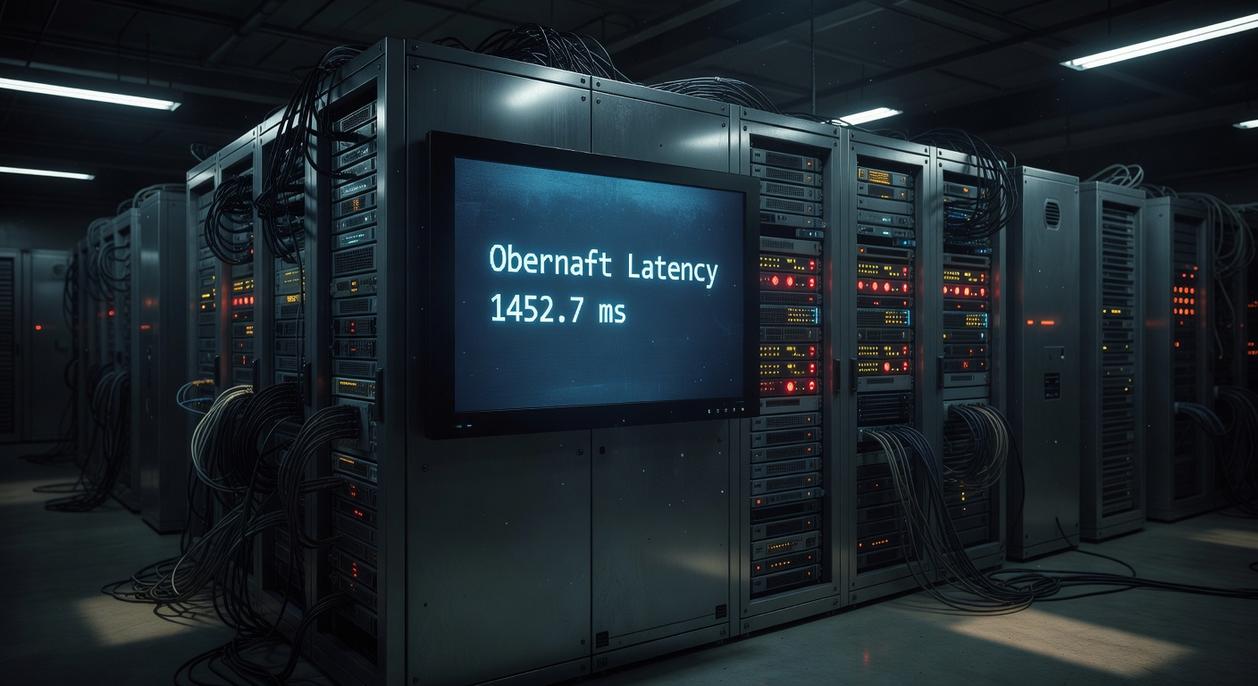
I once spent an entire weekend blaming my ISP for lag spikes—only to realize I was connected to a server three regions away. (Humbling, to say the least.) Server selection is often the real culprit. Most multiplayer titles let you manually choose a region in the settings menu. Always pick the server with the lowest ping—the time it takes data to travel between your device and the server, measured in milliseconds. Lower ping equals faster response. Ignoring this is how obernaft server latency sneaks up on you.
Next: network driver updates. Your network driver is the software that lets your operating system talk to your motherboard or network card. Visit the manufacturer’s site, download the latest driver, and install it. I’ve seen this alone shave off noticeable instability (pro tip: don’t rely solely on automatic Windows updates).
Also check your firewall and antivirus exceptions:
- Allow the game through Windows Firewall.
- Exclude the game folder from active antivirus scanning.
Security tools sometimes inspect network packets, which can cause delays.
Finally, disable non-essential overlays—Discord, GPU stats, or streaming pop-ups. They consume bandwidth and memory. If you’re exploring strategies across different modes, revisit cooperative vs competitive modes in obernaft multiplayer for context on how connection stability impacts play styles.
When It’s Not You, It’s Them: Understanding Server-Side Issues
Sometimes, IT’S NOT YOUR INTERNET. During peak hours, new season launches, or live events, servers can become overloaded. When too many players connect at once, server load (the amount of demand placed on a server’s resources) spikes, causing higher latency for everyone. Even a perfect setup at home can’t outrun that.
Some argue lag is always user error. Not quite. Game netcode (the system that manages data between players and servers) and tick rate (how often the server updates the game state per second) heavily impact hit registration. A low tick rate can make shots feel delayed—even if your ping looks fine.
To confirm it’s server-side, check:
- Official game status pages
- Community forums like Reddit
- Downdetector for outage spikes
If others report similar problems, it’s likely not you. Issues like obernaft server latency spikes often appear during updates. Verify first, troubleshoot second.
Start with an anecdote about losing a ranked match to lag. I remember lining up the perfect headshot when my screen froze for half a second. That tiny spike in obernaft server latency cost the round—and my confidence.
High latency is fixable. It’s the delay between your action and the server’s response, and it stands between you and your true skill.
Here’s the quick reset:
• Plug in an Ethernet cable.
• Tweak router QoS settings.
• Pick the closest server in-game.
Why wait? Make one change before your next match and feel the difference. Your skills deserve better today.
Take Control of Your Competitive Edge
You came here to understand how performance, responsiveness, and connection stability impact your gameplay. Now you know how much obernaft server latency can influence reaction time, ranked results, and overall consistency in competitive matches.
Lag spikes, delayed inputs, and inconsistent hit registration aren’t just minor annoyances—they cost you wins, ranking points, and confidence. When every millisecond matters, ignoring server performance means falling behind players who optimize every part of their setup.
The next step is simple: monitor your connection, fine-tune your settings, and apply the optimization strategies we’ve covered. If you’re serious about smoother matches and sharper responsiveness, start implementing these improvements today.
Thousands of competitive players rely on our insights to sharpen their performance and stay ahead of the curve. Don’t let preventable latency issues hold you back—optimize your setup now and play the way your skill truly deserves.