Ever lost track of hours gaming and wondered why? We’ve all been there, glued to a screen while time slips through our fingers. Then there are those games.
They look great but leave you bored in minutes. What’s the secret sauce that separates the truly unforgettable games from the flashy yet forgettable ones?
I’ve dissected gameplay loops and multiplayer dynamics to crack this code. I’m not just playing games. I’m tearing them apart to see what makes them tick.
This isn’t about casual opinions; it’s about deep analysis. You want your time and money spent on games that matter, right?
Trust me, I’ve broken down more games than I can count. In this article, you’ll get a fresh system to identify games (especially virtual reality gaming) that are worth diving into.
Beyond the Hype: What ‘Immersion’ Actually Means
When we talk about virtual reality gaming, it’s easy to think only of high-fidelity graphics. But immersion is deeper than that. It’s a psychological state where your mind buys into the illusion.
You feel you’re really there, not just staring at pixels. Ever wonder how that magic happens?
It’s called ‘presence.’ It’s not about how shiny or realistic the graphics are. It’s about your brain temporarily accepting the virtual world as real. You forget the sweat on your palms is from holding a controller, not scaling a digital mountain.
This isn’t just engagement (where you’re clicking buttons and completing tasks). It’s becoming part of the game, your self-awareness slipping away.
Now, let’s talk about ‘player agency.’ This might sound like a fancy term, but it’s simple: having choices that matter. When you make an in-game decision and see different consequences unfold, you feel like you’re shaping the story. You’re not a visitor; you’re a resident.
This difference is key. Ever seen a movie about mountain climbing? You watch, but you don’t feel the vertigo.
Curious about where gaming’s heading? Check out the top 10 upcoming game releases to watch. It’s all about pushing these boundaries.
In a game, though, you feel every near-fall.
Games are not just played; they’re lived.
The Core Mechanics of Digital Reality: Building Immersive Worlds
When it comes to virtual reality gaming, it’s not just about flashy graphics and booming soundtracks. Sure, those are nice, but the real magic happens with sensory immersion. This means consistent art direction and sound design that reacts to every move you make.
Ever notice how audio gets muffled underwater or how footsteps change with terrain? That’s the stuff that makes a game world believable. And let’s not forget frame rate.
A smooth frame rate keeps your brain in the zone, preventing any jarring experiences that pull you out of the moment.
Then there’s systemic immersion. This is the layer that gets overlooked but is key. It’s about a game’s internal logic and rules.
Think realistic physics where a thrown object behaves just like it would in the real world. Or NPCs (non-player characters) with daily routines that make the environment feel alive, even when you’re not around. An economy that dynamically reacts to your decisions?
That’s a thing too. These elements craft a living world, not just a pretty backdrop.
Now, let’s talk narrative immersion. It’s not just about watching a story unfold. The best games make you the star, not just a spectator.
Linear storytelling has its place but doesn’t hold a candle to emergent narratives. These arise from your interactions within the game. You create your own story, and the real depth lies.
You feel the weight of your decisions, and that’s what really pulls you in.
Want to see where this is all heading? Check out how virtual reality gaming is evolving. It’s a wild ride, and it’s only getting crazier.
Pro tip: pay attention to the small details. They often hold the key to a world that truly feels alive.
Unpredictable Humans: Multiplayer’s Secret Sauce
When it comes to gaming, nothing beats the sheer unpredictability of a human opponent. You think you know what’s coming, and then bam (they) pull something unexpected. That’s the beauty of multiplayer.
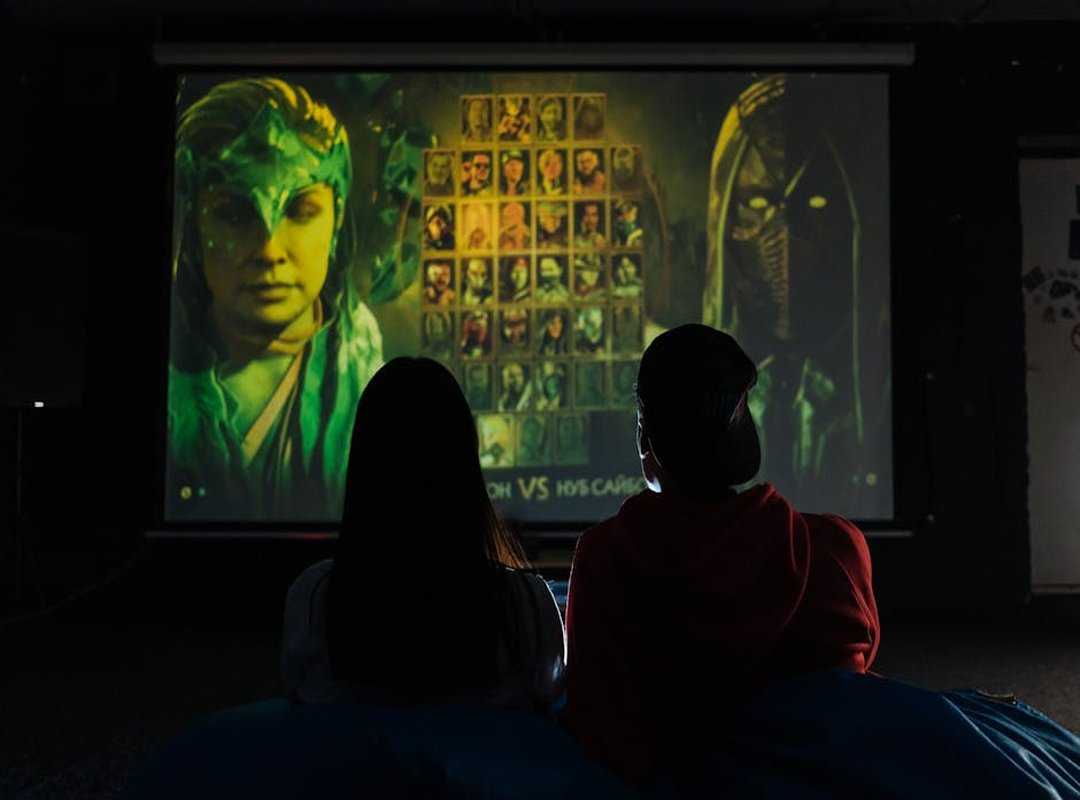
You get a level of challenge and immersion that AI just can’t offer. Seriously, who hasn’t been on the edge of their seat during a clutch moment in a competitive shooter? It’s a rush that AI players simply can’t replicate.
But multiplayer isn’t just about beating your opponents. It’s about the shared experience too. Ever coordinated with a team to pull off a difficult plan?
That feeling of camaraderie when you save a teammate or work together to complete a mission (it’s) solid. You become part of a community, not just a player. And in those moments, that’s when you truly feel present in the game.
Now, let’s talk about esports. The intensity there is off the charts. Players are pushed to their limits, not just by the mechanics but by real humans.
Each match is a story, unscripted and personal. This is where the human element shines, creating memories that stick with you long after the game ends.
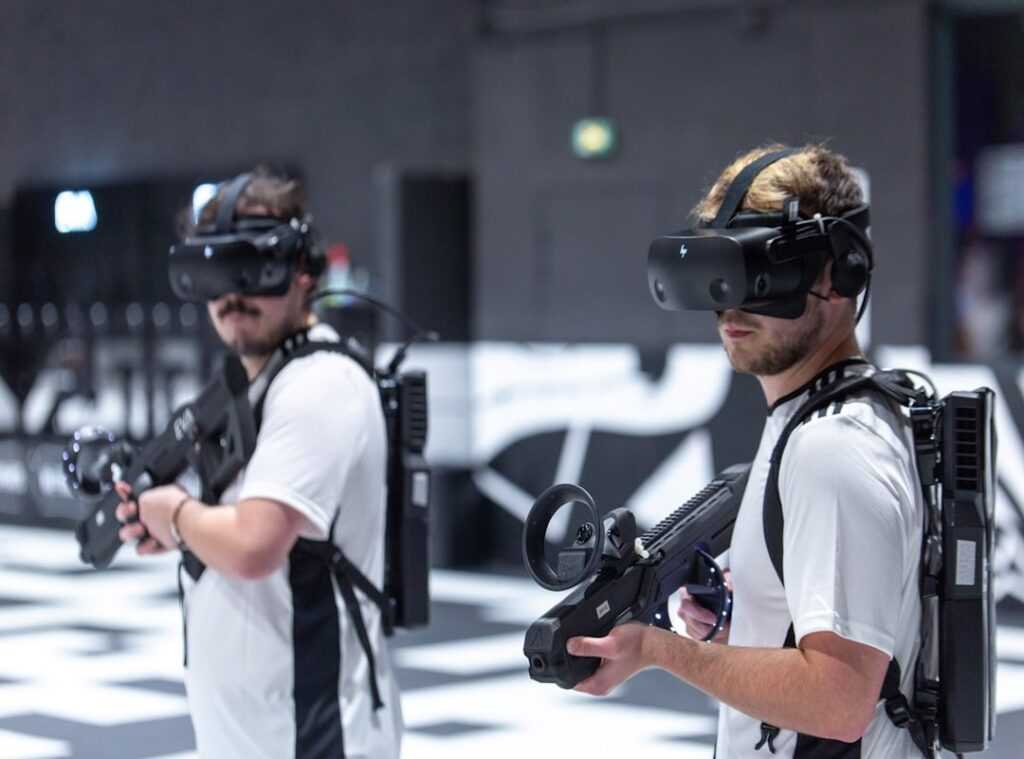
And let’s not forget virtual reality gaming. It takes this human connection to another level. You’re not just looking at a screen; you’re right there with others.
The depth of connection achievable through this tech is a how far gaming has come. Speaking of advancements, if you’re curious about blockchain technology modern gaming, it’s reshaping the industry in unexpected ways. This isn’t just gaming; it’s a whole new world of interaction.
The Next Frontier: Tech That’s Reshaping Immersion
Let’s cut to the chase. Virtual reality gaming isn’t just a flashy trend. It’s a game-changer.
Forget the sci-fi fantasies. We’re talking about tech that’s impacting how we experience games right now. VR and AR are not gimmicks.
They’re tools for total sensory immersion, blocking out the real world completely. Imagine being in the game, not just playing it. But there are hurdles.
The gear needs to be more affordable and less clunky. That’s the barrier to mainstream adoption.
Then there’s haptics. Take PlayStation 5’s DualSense controller. You can feel the tension of a bowstring or the resistance of a car on a rough road.
It’s not just about seeing and hearing anymore. It’s about feeling. This is the bridge between player and game, making experiences more real than ever.
And let’s not overlook generative AI. We’re moving beyond repetitive NPC dialogues. Picture a world where characters evolve and react to you.
It’s like stepping into a movie where the plot changes based on your actions. This isn’t just a possibility. It’s the future staring us in the face.
So, are you ready for this new era of gaming? Because it’s happening whether you’re on board or not. Time to embrace it and see where it takes us.
This isn’t just about games. It’s about redefining reality itself.
Demand More from Your Gaming
You’ve got what it takes to cut through the hype now. Why waste time and money on flashy games that lack depth? We’ve all been there.
Burned by the eye candy and left wanting more. But you know better.
It’s about more than just graphics. It’s the systems, the story, the connections that count. This is how true immersion is born.
So, take what you’ve learned. Scrutinize that next game. Look past the pretty pictures and see if it’s a world worth getting lost in.
And why stop there? Dive into virtual reality gaming. It’s not just playing; it’s living another life.
Don’t settle for less. Use your knowledge. Find experiences that truly capture your imagination.
Don’t just play (get) lost.