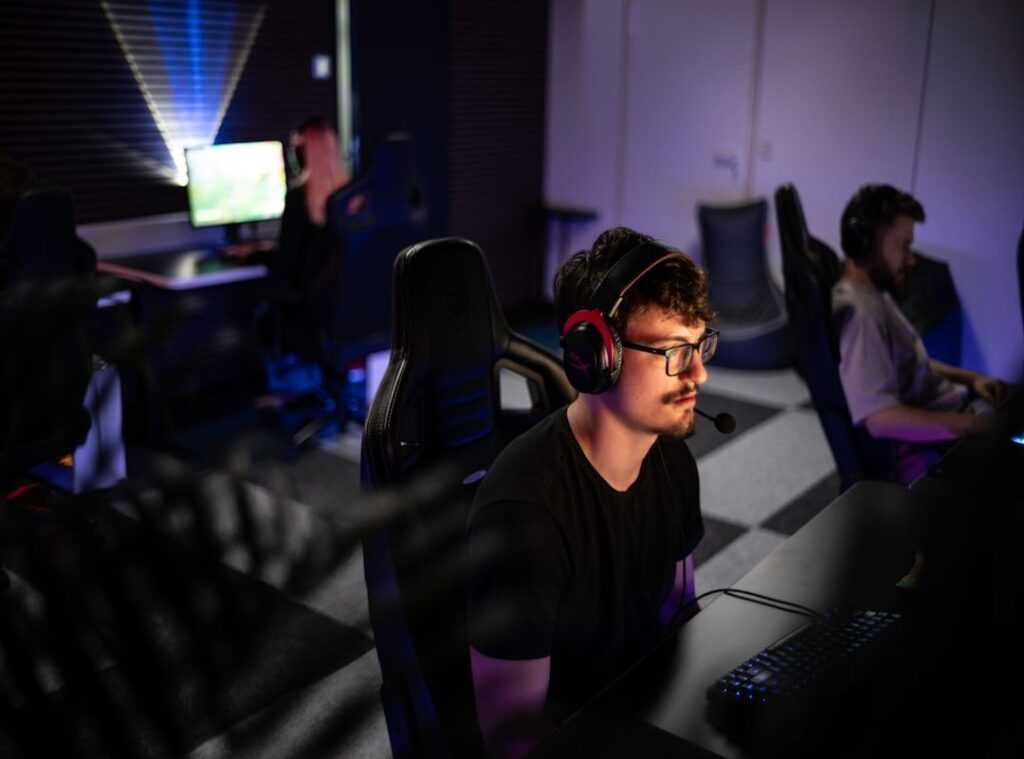

Every competitive gamer has felt it—the crushing loss that had nothing to do with mechanics and everything to do with tilt, hesitation, or a split-second lapse in focus. At higher levels of play, skill and game knowledge raise the floor, but mindset determines the ceiling. The difference between good and champion often comes down to mental resilience in esports. This guide goes beyond theory, delivering a practical, step-by-step toolkit to help you perform under pressure, regulate emotions, and sharpen focus when it matters most. If you’re here to gain a real competitive edge, you’re about to start training the skill that wins championships.
Building Your Mental Armor: Core Psychological Skills
Mastering Tilt Control
Just as top competitive players cultivate mental resilience to navigate high-pressure situations, the evolving dynamics of studio acquisitions are similarly reshaping how teams collaborate and innovate within the multiplayer landscape – for more details, check out our How Studio Acquisitions Are Reshaping the Multiplayer Landscape.
Tilt is the emotional state where frustration hijacks decision-making, turning smart plays into reckless ones (we’ve all had that “one more fight” moment). Think of it as A vs B: EMOTIONAL REACTION vs CALCULATED RESPONSE. One spirals; the other stabilizes.
Use the Acknowledge–Breathe–Reset (ABR) technique as an in-game circuit breaker:
- Acknowledge the trigger (“I’m tilted after that misplay”).
- Breathe slowly for five seconds to lower physiological stress.
- Reset with a single, clear objective (farm safely, ward river).
ABR interrupts negative momentum before it snowballs. Pro tip: tie ABR to a physical cue, like unclenching your jaw, to reinforce the reset.
Cultivating Unbreakable Focus
Passive awareness is noticing everything. Active, objective-based focus is choosing what matters. A vs B again: WATCHING THE MAP vs TRACKING THE JUNGLER’S PATH FOR A PURPOSE.
Try a focus-switching warm-up drill:
- Spend two minutes hyper-focusing on micro-mechanics (last-hitting, cooldown timing).
- Switch to macro-awareness (minimap checks, objective timers).
- Alternate twice.
This trains deliberate attention control, a cornerstone of mental resilience in esports.
Developing True Resilience
Losses feel personal—but they’re data. A fixed mindset asks, “Why did I fail?” A growth mindset asks, “What can I learn?” Same VOD, different lens.
During review, list one mistake and one adjustment. That shifts the loop from BLAME to BUILD. Over time, mistakes become feedback, not verdicts (even pros review losses frame by frame).
Resilience isn’t about ignoring defeat. It’s about converting it into direction.
From Practice to Performance: Routines for Mental Conditioning
Talent gets headlines, but routines win tournaments. A consistent pre-game ritual is non-negotiable because it signals to your brain that it’s time to compete. In other words, you’re flipping the switch from casual play to focused execution. Start with 5 minutes of mechanical warm-up to prime reaction speed and coordination. Then spend 5 minutes on goal setting—something controllable like, “I will focus on clean communication.” Finish with 5 minutes of visualization or mindfulness to steady nerves. The benefit? You enter matches calm, intentional, and harder to tilt.
However, even the best start can unravel mid-game. That’s why mental resets matter. Between rounds—or right after a painful mistake—use a physical anchor. Take one deep breath while pressing your feet firmly into the floor. This simple cue pulls your attention back to the present moment instead of the last misplay. Over time, this habit strengthens mental resilience in esports and keeps momentum on your side.
Finally, improvement depends on structured reflection. Instead of emotional reactions, use the What/Why/How framework. What happened? Why did it happen? How can you approach it better next time? This removes self-blame and replaces it with solutions. The payoff is clear: faster growth, smarter adjustments, and confidence built on evidence, not ego. When these routines become automatic, you conserve mental energy for strategy, adapt faster under pressure, and perform with consistency that separates contenders from champions. That edge compounds over a season and across your career. Small habits, massive returns.
The Team Dynamic: Fortifying Your Squad’s Mental Game

Great teams don’t just share mechanics—they share clarity. The foundation is Efficient Information Transfer, meaning every callout must be concise, specific, and actionable. Compare: “He’s low!” versus “Tracer, one HP, back-right.” The second example names the hero, health status, and location. That’s usable data.
Practical drill: In scrims, limit callouts to five words or fewer unless more detail is critical. Record a session and review for filler words. (Yes, you’ll cringe. That’s the point.)
Giving and Receiving High-Impact Feedback
Forget the compliment sandwich. Use the Situation-Behavior-Impact (SBI) model:
- Situation: “In that last team fight…”
- Behavior: “…when you ulted early…”
- Impact: “…it left us without a counter for their push.”
This keeps feedback specific and depersonalized. You’re critiquing decisions, not people. Pro tip: deliver SBI within 24 hours so the moment is fresh.
Building Collective Resilience
Teams that excel at mental resilience in esports create shared reset rituals. After losing an objective, designate one player to say, “Reset. Next fight plan.” Everyone takes a breath, states ult status, and refocuses. It’s simple—but synchronized resets prevent tilt spirals (we’ve all seen those).
And don’t ignore off-screen performance. Strong nutrition and fitness habits that support pro gamers reinforce focus under pressure. A steady mind starts with steady habits.
Sustaining Peak Performance: The Anti-Burnout Protocol
Peak gameplay starts with biology. Sleep quality directly impacts reaction time, decision speed, and emotional regulation—key cognitive functions in high-stakes matches (Walker, 2017). Likewise, balanced nutrition stabilizes blood sugar, preventing focus crashes mid-session. In other words, pro-level mental performance demands pro-level physical care. Skip either, and your mechanics suffer first.
However, even perfect habits can’t outwork nonstop grind. Strategic disengagement—scheduled, mandatory time away from the game—protects mental resilience in esports. This isn’t slacking; it’s maintenance. Planned breaks reset motivation, reduce cognitive fatigue, and preserve long-term passion. Think of it as patching your system before lag sets in.
Your Ultimate Power-Up: A Resilient Mindset
You came here to strengthen your edge, and now you have a clear framework for treating your psychological strength like any other trainable skill. The truth is, nothing feels worse than losing to tilt, doubt, or frustration instead of your opponent. That pain is real—but it’s beatable.
By building structured routines and practicing mental resilience in esports, you create the consistency that separates good players from unstoppable ones.
Start today: pick the “Acknowledge, Breathe, Reset” technique and use it in every match this week. One habit. Every game. That’s how you stop self-sabotage and start winning consistently.